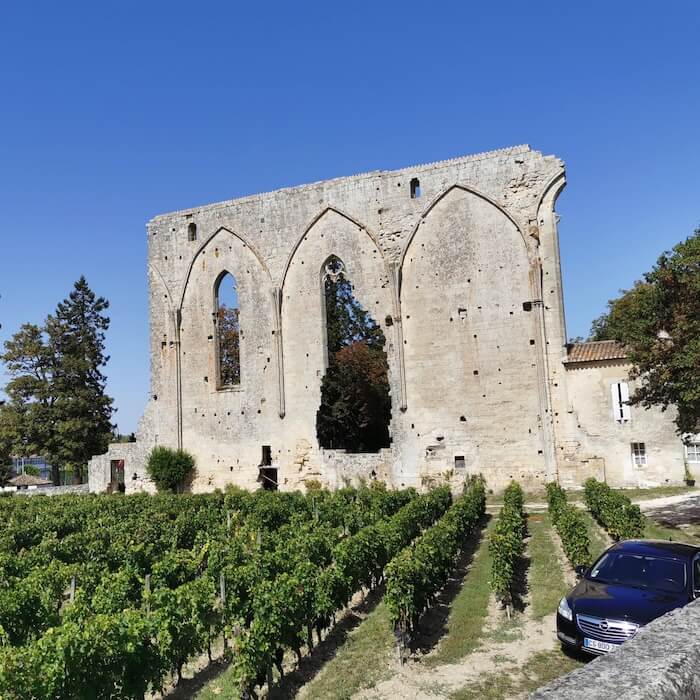

Nestled in the heart of Bordelais, on the Dordogne's right bank, Saint-Émilion is much more than a mere wine village. UNESCO World Heritage since 1999, this medieval city charms as much by its thousand-year history as by its wines among the world's most prestigious. Between religious legend, exceptional terroir and winemaking know-how, Saint-Émilion embodies French art de vivre.
Saint-Émilion's historical and cultural heritage
Saint-Émilion's story roots back to the 8th century with the arrival of Breton monk Émilion. Fleeing his homeland, he chose to retire to a cave at the hamlet of Ascumbas. There, he led a hermit's life, dedicated to prayer and welcoming pilgrims. Quickly, his miracles and reputation for holiness drew many faithful. His hermitage, where you can still see the famous "Émilion's chair", remains an iconic spot, witness to his meditations.
At his death, in 767, the small community around him gave birth to a prospering city. From the Middle Ages, Saint-Émilion became a religious, intellectual and commercial center at once, notably thanks to the presence of Benedictine and Augustinian monks who helped develop vine growing.
The town keeps an exceptional heritage from this medieval period:
- The monolithic church, a Europe-unique masterpiece, entirely carved from a single block of limestone rock. Impressive in dimensions, it symbolizes the religious fervor and architectural boldness of the time.
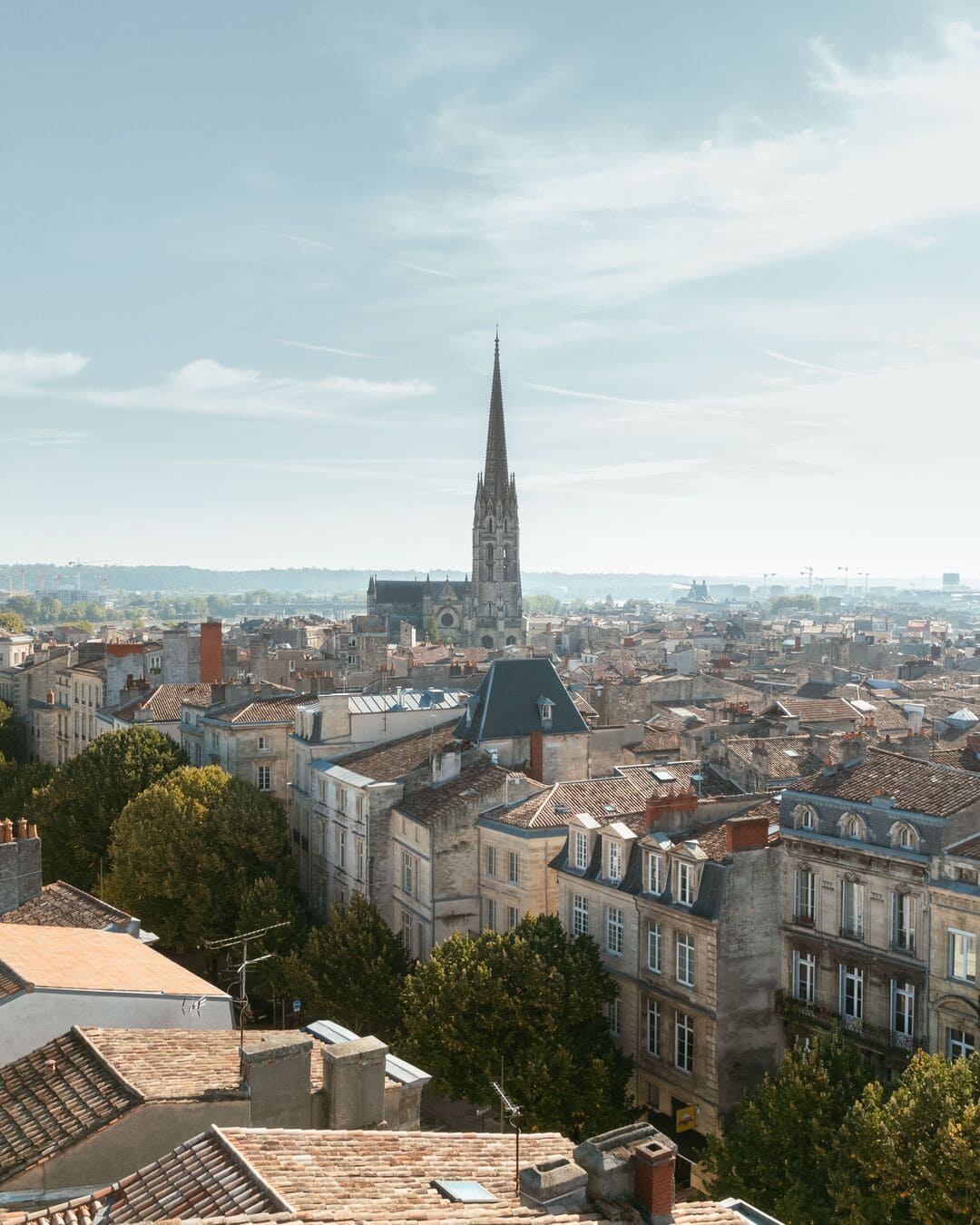
- The paved winding lanes, lined with medieval houses of pale stone façades, transporting visitors centuries back.
- The ramparts and watchtowers, remnants of old fortifications, recall the village's strategic importance during medieval conflicts.
- The cloisters and convents, once brought to life by religious orders, took part in the region's spiritual and agricultural rise.
Another unique Saint-Émilion legacy is the Jurade, wine brotherhood created in 1199, when the region came under English rule. This institution, then holding real judicial and administrative power, controlled wine quality and ensured its fame beyond borders. Today, the Jurade continues the tradition during solemn ceremonies like the Spring Festival or the Harvest, where its red-robed members proclaim the vintage's quality from the top of the Tour du Roy.
This remarkable set, combining spirituality, religious heritage, wine traditions and medieval memory, led to the city's UNESCO World Heritage listing in 1999. Every year, thousands of visitors walk its lanes, explore its underground monuments and discover its fascinating history, making Saint-Émilion a true time capsule, where each stone tells a fragment of legend.
An exceptional terroir at the heart of Bordelais
The Saint-Émilion vineyard covers about 5,450 hectares, spread across eight neighboring communes, forming a harmonious wine landscape where nature and know-how complement each other. Its singularity lies in the geological mosaic that makes up its soils, real wealth for the vine and key to the aromatic diversity of the wines.
A unique soil mosaic
- The limestone plateaus: located mostly in the center and west of the appellation, these soils are marked by their lightness and excellent drainage. They let roots plunge deep and give the wines great finesse and a marked minerality.
- The clay-limestone hillsides: to the east and on the slopes, these soils hold water while bringing freshness and aromatic complexity. The wines from them are known for their elegant structure and remarkable aging potential.
- Sandy-gravel and silica-clay soils: located more along the Dordogne, these warmer terrains favor optimal grape ripeness. They give generous, round, fruity wines, drinkable younger.
This terroir diversity lets winemakers craft subtle blends, where each grape fully expresses its qualities depending on the soil hosting it.
A protective, favorable microclimate
Beyond geological wealth, Saint-Émilion enjoys a privileged microclimate. The Dordogne's proximity regulates temperatures and limits thermal swings, reducing risks of frost or excessive drought. The hillsides enjoy optimal sun exposure, guaranteeing slow, regular grape ripening.
A terroir shaped by man
For centuries, Saint-Émilion winemakers have passionately worked this natural diversity. Their know-how, passed down generation to generation, adapts to each parcel's particulars. Hand harvest, parcel-by-parcel selection, reasoned vine work: everything is thought out to respect the balance between tradition, innovation and terroir respect.
Thanks to this exceptional combination of soils, climate and know-how, Saint-Émilion offers a rich, nuanced wine palette, from the most accessible to the most prestigious, appealing to amateurs and connoisseurs alike. It's this unique marriage that makes the village a world reference in wine and a model of excellence for Bordelais.
Wine excellence and Saint-Émilion wines
A true Bordelais emblem, Saint-Émilion is globally recognized for the quality and diversity of its wines. Every bottle tells the story of a terroir, a know-how and a passion passed on generation to generation.
A grape mix dominated by Merlot
Saint-Émilion's king grape is without contest Merlot, representing nearly two-thirds of the grape mix. It gives wines silky roundness, fruity generosity and supple tannins, drinkable even young.
As a complement, Cabernet Franc, much loved in the appellation, brings elegance, aromatic finesse and tannic structure, reinforcing aging potential. Finally, Cabernet Sauvignon, more marginal, enriches blends with its power, freshness and ability to evolve over decades.
At the margins, some estates still grow traditional Bordelais grapes like Carménère, Malbec or Petit Verdot, adding a touch of complexity and personality to the cuvées.
Wines with a unique, evolving style
Saint-Émilion wines stand out with their aromatic breadth and balance between power and elegance.
- In their youth, they charm with intense aromas of red fruits (cherry, raspberry) and black fruits (blackberry, cassis), sometimes underlined by floral and spiced notes.
- With age, the most prestigious crus develop a complex aromatic palette, blending truffle, undergrowth, leather, blond tobacco and sometimes subtle minerality from the limestone soils. Their texture gains depth and their tannins refine, revealing a great cellaring wine able to cross decades.
A prestigious classification unique in France
The appellation also owes its fame to its official cru classification, set up in 1955 and revised every ten years - a rarity in the wine world. It distinguishes two categories:
- The Grands Crus Classés, recognized for regularity and quality of their production.
- The Premiers Grands Crus Classés, subdivided into A and B, representing the appellation's elite.
This classification system guarantees amateurs and collectors constant demand, while highlighting estate dynamism and innovation.
A vineyard between tradition and modernity
If Saint-Émilion stays deeply attached to its roots and wine heritage, its growers also know how to adapt to contemporary challenges:
- Development of sustainable and organic viticulture, to preserve the environment and soil quality.
- Winemaking innovations allowing greater vinification precision.
- Wine tourism development, with château visits, tastings and cultural events drawing visitors from around the world.
An international reach
Today, Saint-Émilion wines ship worldwide and are among the most sought-after by grand cru lovers. Their reputation rests as much on constant quality as on the cultural and historical wealth of the village. Symbol of French art de vivre, Saint-Émilion charms connoisseurs, collectors and simple amateurs looking for emotion alike.
Both a historical hotspot and a wine capital, Saint-Émilion illustrates the perfect alliance between heritage and terroir. Strolling its medieval lanes, exploring its monolithic church or tasting a grand cru at a château is living an experience where every stone and every vine tells a story. Symbol of Bordelais, the village embodies French excellence and stays a must-stop for anyone wanting to understand the marriage of culture and wine.