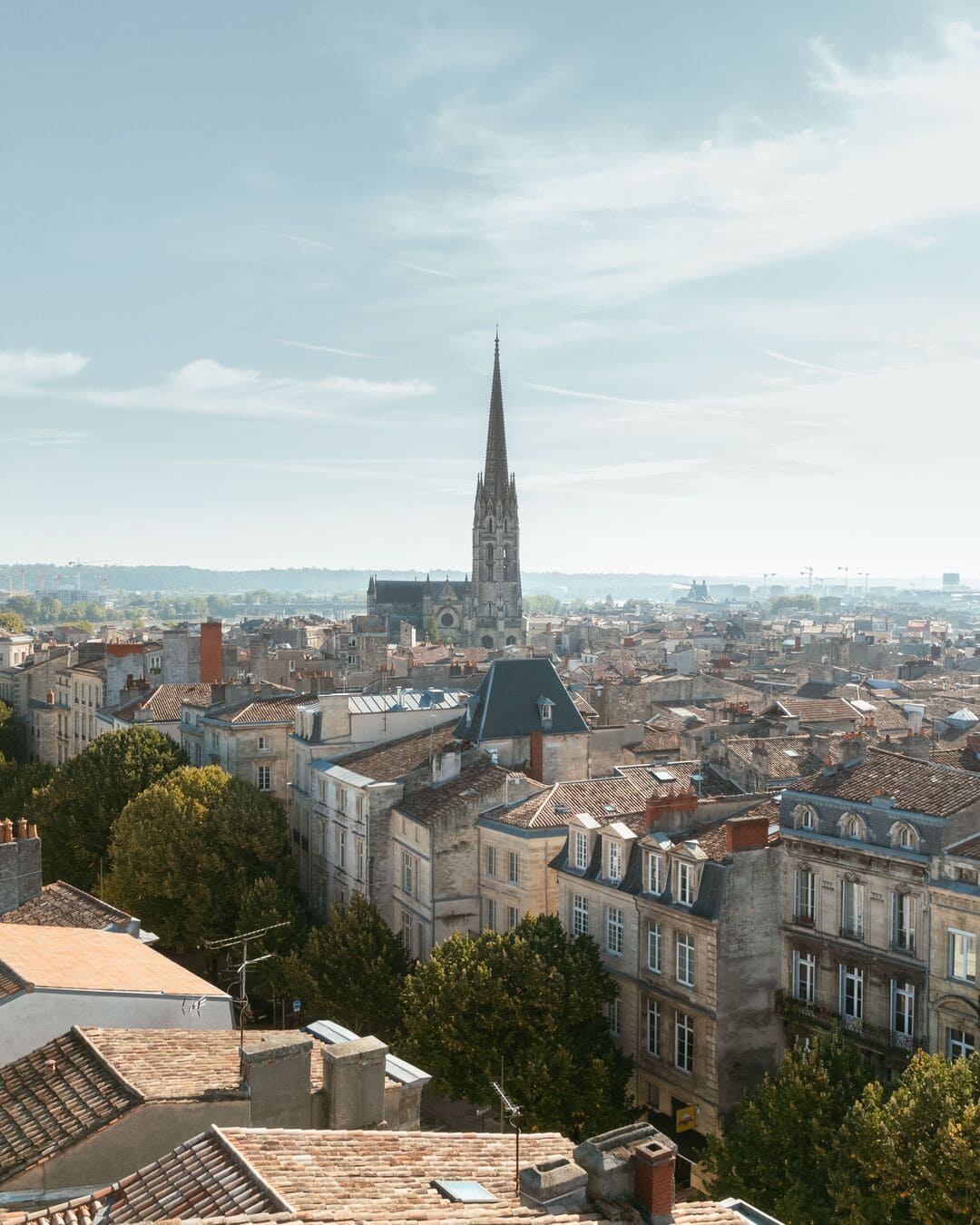
In Bordeaux, there's a place that's part of everyone's daily life - locals, visitors, strollers - and that packs as much history as it does life: Place des Quinconces. A vast 12-hectare esplanade open onto the Garonne, it's considered the largest in Europe. Monumental, emblematic and deeply anchored in collective memory, it embodies that unique blend of classical grandeur and popular warmth that gives Bordeaux its charm.
From military origins to citizen esplanade
The square was born on the ruins of Château Trompette, a fortress built in the 15th century by Charles VII to guard the city just taken back from the English. In the early 19th century, the castle was razed and architect Jean-Baptiste Dufart imagined a vast rectangular esplanade, lined with trees planted « en quinconces », meaning staggered like the five points on a die. From Place Louis-XVI to Place Louis-Philippe, it took its current name in 1848, anchoring in Bordeaux speech a name that hasn't left locals' memory since.
If the square impresses by its proportions (300 meters wide by 400 long), it's the monuments that make it unforgettable.
- The Monument aux Girondins dominates the whole, with its column topped by Liberty breaking her chains, its spectacular bronze fountains and sculpted groups telling the Revolution.
- The rostral columns, erected in 1829, celebrate maritime trade and navigation, recalling the central role of the port of the Moon.
- Nearby, the statues of Montaigne and Montesquieu stand watch, symbols of Bordeaux's humanist and enlightened spirit.
Around it, the classical façades of the Tourny district's hemicycle offer a setting worthy of the great capitals.
A place of life and celebration
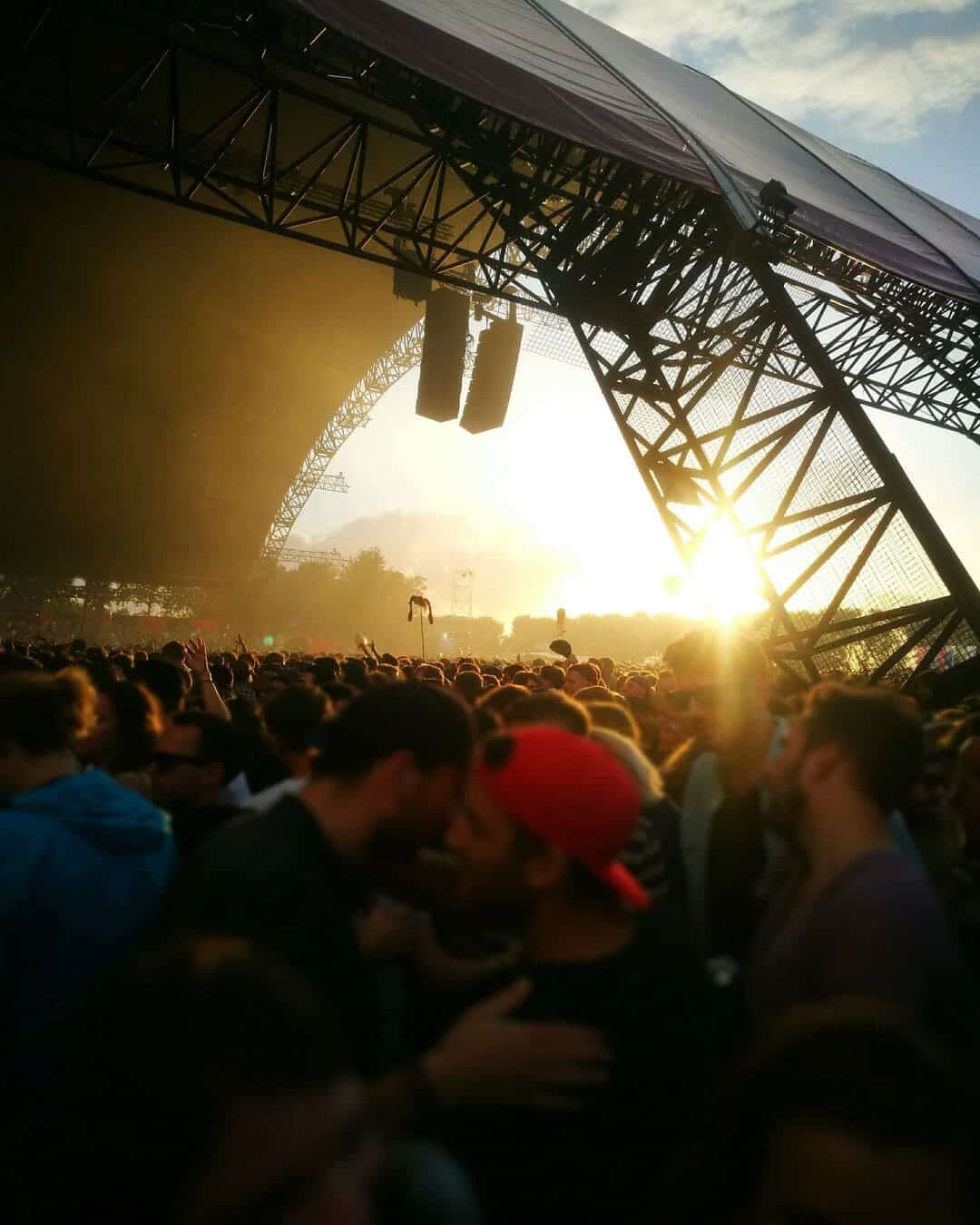
Beyond the architecture, Place des Quinconces lives to the rhythm of Bordelais. Twice a year, it hosts the Foire aux Plaisirs, a funfair that has animated evenings for over a century and a half. Flea markets, concerts, circuses, big popular gatherings - from Fête du Vin to Fête de la Musique - follow one another, turning the esplanade into a playground for discovery and celebration. It's also a major transport hub: the « Quinconces » tram and bus station feeds the whole city.
A place of revolutionary memory - public executions, political rallies, renamed « place de la Révolution » in 1790 - the square also holds traces of aborted projects, like a statue of Louis XVI that was never installed. Today, it's above all a meeting and strolling ground: families under the plane trees, wanderers admiring the Garonne, tourists in awe of the sheer scale.
Place des Quinconces is today one of Bordeaux's great symbols, an open stage where history, popular festivals and monumentality mix. But to grasp the full force of this place, you also need to remember what was there before: the formidable Château Trompette, whose walls once dominated the city and whose destruction made possible this immense esplanade open onto the Garonne. So every step on the Quinconces cobbles tells both the memory of a lost fortress and the vitality of a square that became Bordeaux's beating heart.
👉 To learn more about this forgotten past, read our dedicated article: The vanished fortress of Bordeaux, Château Trompette.