For a long time, Bordeaux was a major trading port.
But the idea of welcoming cruise ships in the heart of the city, on the river, felt utopian: dragging a massive boat up the Garonne to the urban centre. Yet, in recent decades, that ambition has become reality again, drawing both admiration and questions. The 8pm news of 16 May 2004 covered this shift: Bordeaux welcoming the season's biggest ship, sailing the Garonne, docking in the city centre. The journalist blended archive footage, tourist reactions and tour organiser interviews, forcefully suggesting the city was becoming a river port again 100 km from the ocean. That paradox, this bridge between inland and open sea, is what I want to explore here: Bordeaux, port of call, revisited.
An estuary port with a long history
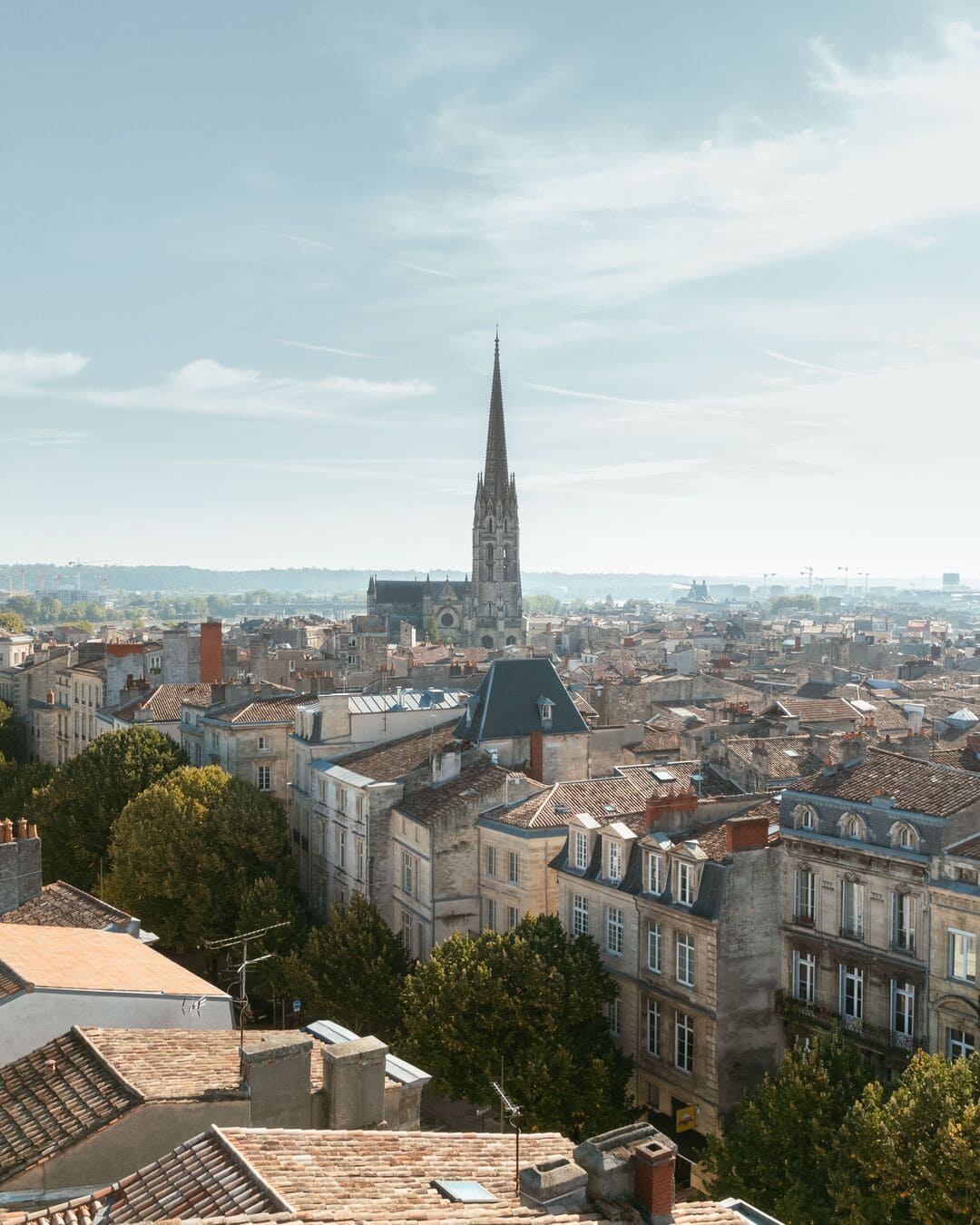
Bordeaux is not a city born of cruise travel, nor a standard deep-sea port. Bordeaux's port is an estuary port, mixing river and sea activities. Historically, Bordeaux, aka the "Port of the Moon", thrived thanks to its position on the Garonne, allowing ships to reach the city via the river. But as modern ships kept growing, getting them into the centre became a technical challenge. What the 2004 report highlighted was that Bordeaux pulled it off: welcoming a docked ship on the river, giving back a symbolic urban-port role for tourists. A return, almost a revenge on geography, but reimagined for the cruise-tourism era. Today, Bordeaux has three cruise terminals, Bordeaux centre (port of the Moon), Bassens and Le Verdon, matching this dual logic between historic proximity and technical constraints. The Bordeaux centre terminal calls itself "a downtown port of call for cruise ships up to 255 m". That capacity underlines the strategic will to position Bordeaux as a prestigious call, while acknowledging river limits.
Welcoming ships: ambitions, constraints, feedback
A Bordeaux-style port of call
Calls in Bordeaux are not massive like in major sea-port cities. The Garonne sets the rules: limited draft, tidal navigation, size constraints. That makes Bordeaux an atypical but desirable call because it is rare, in the heart of a heritage centre. That rarity creates added value: a contrast between American-style cruising and the elegant river call. The ship becomes almost a "floating show" blending into the urban landscape, the river perspective, the listed facades. Cruise lines appreciate the touch of exception.
A ship's arrival brings a rush of passengers, tours, shopping, heritage visits. Each call carries economic potential: lodging, dining, land tours, souvenirs. But the call also has challenges:
• long, delicate river manoeuvre
• infrastructure adaptation (bridges, quays, gangways)
• managing tourist crowds in the city core
• balancing tourist visibility and urban daily life
The 2004 report captured tourist reactions, especially American ones, marvelling at the idea of stepping off "into a historic city, without passing through an industrial port". That tension between heritage backdrop and imposing ship sits at the heart of Bordeaux's modern port-of-call story.
The 8pm scene served as symbolic marker: back in 2004, Bordeaux was already playing the elegant call, revisiting its port history. Archive images alternated between old liners, silent past quays, and modern ships heading up the Garonne. The report underlined two dimensions:
1. The port city rediscovered: Bordeaux presenting itself as a river port, defying the distance to the ocean.
2. The tourist narrative: tour organisers explained the route, tourists shared the unique experience, and archive images gave historical depth to the project.
That dichotomy between memory and innovation is still visible today: Bordeaux has not disowned its maritime past, but reinterprets it for the age of river and cruise tourism.
Bordeaux, port of call, was it better before?
"Was it better before?" is not a condemnation, it is a question. Before, Bordeaux was a trading port, a river and sea hub, packed with cargo, traders, busy quays. Today, Bordeaux bets on prestige cruising, on the downtown landing experience, on riverfront revival. The merchant city of yesteryear has not disappeared: it reinvents itself. But the 2004 report reminds us of a key moment: when cruise came back to Bordeaux, when the Garonne became a path to the open sea again, less to trade than to dream.